MGS Secures Summary Judgement for Railroad in Intermodal Cargo Negligence Case
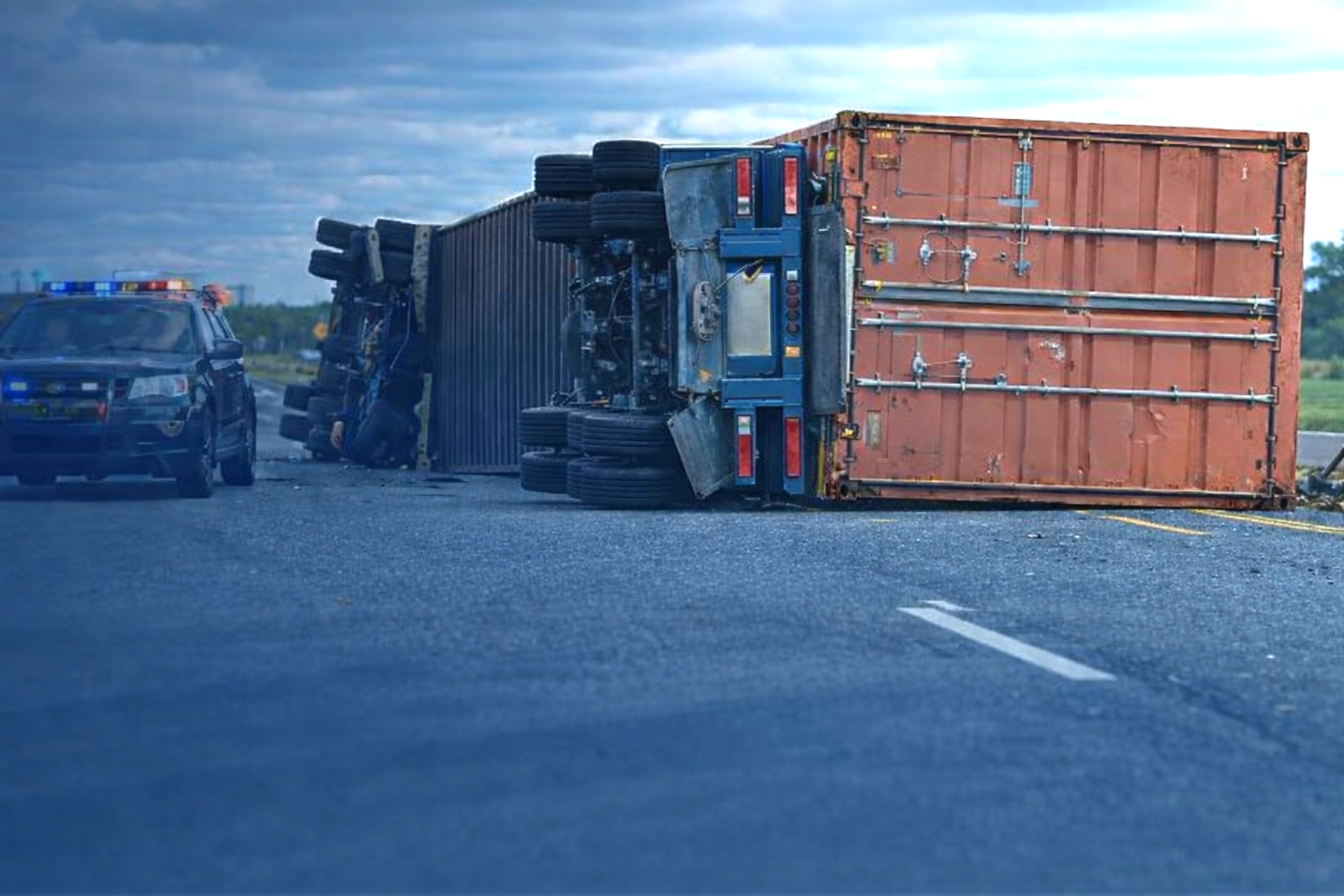
A recent ruling from the Circuit Court of Cook County provides important clarity for railroads and intermodal operators facing negligence claims tied to downstream transportation accidents. Jeff Scolaro and Dan Hronek obtained summary judgment for an MGS railroad client, with the court finding that the railroad owed no legal duty to a truck driver injured after a load allegedly shifted during highway transport.
The Facts of the Case
The plaintiff, a truck driver operating as an independent contractor, alleged that he was injured when his semi-truck rolled over while transporting a sealed intermodal container. According to the complaint, the container’s cargo shifted during transit, causing the truck to tip and crash.
The container had been loaded earlier in the supply chain and was sealed before the plaintiff picked it up. The plaintiff did not load, inspect, or alter the contents of the container prior to transport. He alleged that the railroad and other entities involved in the chain of commerce were negligent in the loading and securing of the cargo.
The Claim Against the Railroad
As for the railroad, the plaintiff alleged the railroad was responsible for ensuring the cargo was properly loaded and secured. He contended that improper loading caused the load shift that ultimately led to the accident and his injuries.
MGS moved for summary judgment, arguing that the railroad owed no duty of care to the plaintiff under Illinois law and that it did not control the container or the transportation of the load at the time of the accident.
The Court’s Ruling
The court agreed with MGS and granted summary judgment for the railroad.
In its analysis, the court emphasized a fundamental principle of negligence law: a plaintiff must establish the existence of a legal duty owed by the defendant. Here, the court concluded that no such duty existed.
Key facts supporting the ruling included:
Lack of control: The railroad did not own, operate, or control the truck or trailer involved in the accident.
Sealed container: The container was sealed before the plaintiff took possession of it, and the railroad had no involvement in the transportation process once the container entered the stream of commerce.
Independent contractor status: The plaintiff was not an employee of the railroad and was responsible for operating his vehicle and ensuring safe transport on public highways.
No role at time of injury: The railroad had no presence, authority, or operational role at the time the accident occurred.
Because the railroad lacked control over the cargo and the vehicle during highway transport, the court found that imposing a duty of care would be improper under Illinois law.
“Railroads play a role in the supply chain, but that involvement alone does not create ongoing responsibility for how cargo is transported after it leaves the railroad’s control.”
Key Takeaways
Railroads are not automatically liable for accidents occurring during downstream highway transportation.
Proper transfer of custody and sealed containers can significantly limit exposure.
Negligence claims fail where the railroad lacks control at the time of injury.
Summary judgment remains a powerful tool for dismissing unsupported claims early in litigation.
This decision reinforces long-standing principles protecting railroads from expanded liability simply because they are part of a broader logistics chain—and serves as a useful precedent for future intermodal cargo litigation.